Staring at a potential deal in The Lakes and torn between flipping it or holding it as a rental? You are not alone. With HOA rules, changing interest rates, and a fast-moving Las Vegas metro, choosing the right strategy can feel risky. In this guide, you will get practical formulas, templates, timelines, and a decision framework tailored to The Lakes so you can run the numbers with confidence. Let’s dive in.
The Lakes at a glance
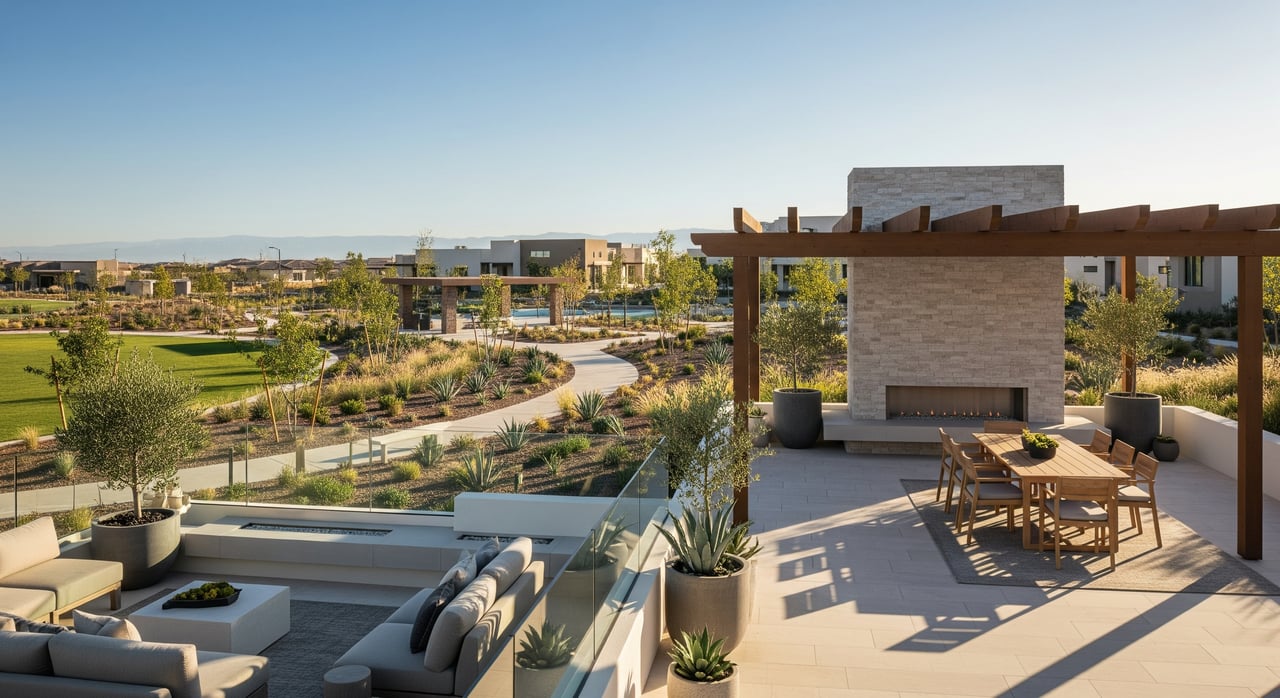
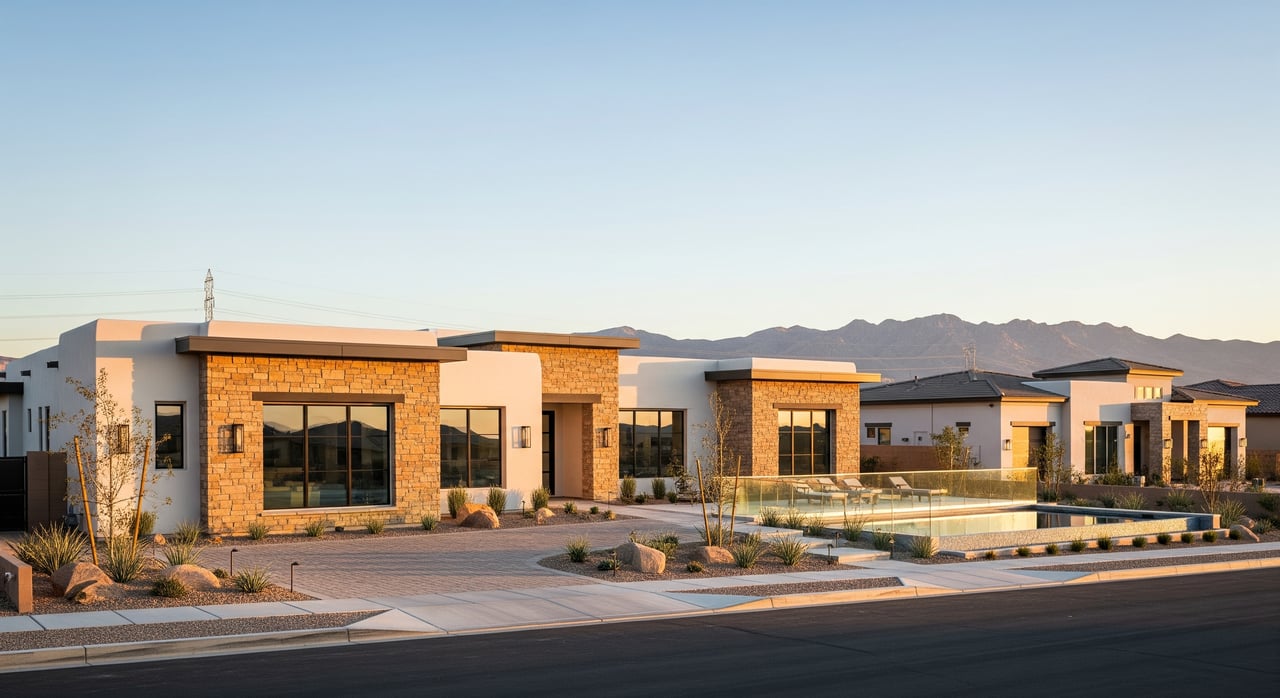
The Lakes is a planned neighborhood within the Las Vegas metro in Clark County. Many homes sit inside homeowners associations, which can influence renovation scope, rental terms, and carrying costs. Understanding HOA fees and covenants, conditions, and restrictions matters because they can affect your timeline and your pro forma.
Local performance in Las Vegas has historically been cyclical due to tourism and migration flows. That means you should lean on 6 to 12 months of trends rather than a single month when modeling your flip exit price or your rental vacancy.
Quick due diligence checklist
Gather these items before you pick a path:
- Pull 6 to 12 months of local MLS sold comps within 0.5 to 1 mile to estimate ARV, plus current active and pending listings in The Lakes.
- Pull 3 to 6 rent comps from recent listings and property manager feedback for expected monthly rent and lease-up time.
- Confirm if the property is in an HOA. Obtain CC&Rs and rules on rentals, architectural changes, and exterior work.
- Get at least 3 contractor bids and ask about permits. Include demo, systems, finishes, landscaping, and staging.
- Estimate closing costs, escrow, and title fees common to Clark County. Add a rehab and holding contingency.
- Check current rate quotes for hard money (flips) and conventional or portfolio loans (rentals).
- Review basic Nevada landlord-tenant rules and typical eviction timelines.
Flip math that works
Flips live or die by a clear budget and a realistic ARV. Your core formula:
- Net Profit = ARV − (Purchase Price + Acquisition Costs + Rehab Costs + Holding Costs + Selling Costs + Taxes and Fees)
Key points to model in The Lakes:
- Acquisition costs include inspections, escrow and title fees, loan points, and buyer closing costs.
- Rehab costs include labor, materials, permits, and a contingency. For complex work or hidden issues, plan a higher contingency.
- Holding costs include loan interest, property taxes, insurance, utilities, security, HOA dues, and any property oversight.
- Selling costs include agent commissions, seller closing costs, staging, and marketing.
Some investors use the 70 percent rule as a starting filter: Max purchase price equals 70 percent of ARV minus rehab costs. Treat this as an initial screen, not a decision. Validate with real comps, HOA rules, and a full budget.
Timelines and carrying risk
Expect a purchase closing window of about 30 to 45 days, a typical rehab period of 4 to 16 weeks depending on scope, then listing and sale time that varies with season and price. Permits and HOA architectural approvals can extend timelines. Adding 1 to 2 months to your hold in the model is a smart stress test.
Financing for flips
Flippers commonly use hard money, short-term fix-and-flip loans, or cash. Hard money can be fast but comes with higher rates and points, which raise carrying costs. Include both the cost to borrow and any exit fees in your total.
Stress test your flip:
- ARV down 10 percent
- Rehab up 20 percent
- Hold time plus 2 months
If the deal still meets your target profit under that scenario, you are on firmer ground.
Rental math that works
Buy-and-hold returns hinge on conservative rent assumptions, full operating expenses, and financing terms.
Core metrics:
- Gross Scheduled Income (GSI) = Monthly Rent × 12
- Vacancy allowance = GSI × vacancy rate
- Net Operating Income (NOI) = GSI − vacancy − operating expenses
- Cap Rate = NOI ÷ Purchase Price
- Cash-on-Cash Return = (NOI − Annual Debt Service) ÷ Cash Invested
- Gross Rent Multiplier (GRM) = Purchase Price ÷ Gross Annual Rent
Operating expenses to include:
- Property taxes, insurance, repairs and maintenance, reserves for capital items
- Utilities you pay, landscaping, pest service, trash if applicable
- HOA dues and any special assessments
- Property management fees, often 8 to 12 percent of collected rent for single-family homes
- Leasing, advertising, legal, and accounting
Vacancy in many markets ranges from 3 to 10 percent. Use current local trends and be conservative. HOA dues in The Lakes can be meaningful, so include them in your expense ratio.
Underwriting assumptions to sanity check
- Rent comps and days on market for similar homes in The Lakes
- A vacancy rate that reflects lease-up time plus normal turnover
- Management fee even if you plan to self-manage, so your numbers compare fairly across options
- A repair and CapEx reserve suited to the home’s age and systems
- Interest rate, amortization, and down payment that match your lender quotes
Two pro formas you can copy
Use these templates to structure your analysis for a property in The Lakes.
Flip pro forma template
- Purchase price:
- Acquisition and closing costs:
- Rehab budget:
- Demo:
- Framing/structural:
- Roofing:
- Electrical:
- Plumbing:
- HVAC:
- Windows/doors:
- Flooring:
- Kitchen and baths:
- Paint and finishes:
- Landscaping and exterior:
- Permits and inspections:
- Contingency:
- Monthly holding costs:
- Loan interest:
- Property taxes:
- Insurance:
- Utilities and security:
- HOA dues:
- Other:
- Expected months held:
- Selling costs:
- Commissions:
- Seller closing costs:
- Staging and marketing:
- Taxes and fees:
- ARV:
- Estimated net profit:
Rental pro forma template
- Purchase price:
- Buyer closing costs:
- Initial repairs and make-ready:
- Monthly rent:
- Vacancy rate:
- Operating expenses:
- Property taxes:
- Insurance:
- Repairs and maintenance:
- Utilities you pay:
- HOA dues:
- Property management:
- Leasing and advertising:
- Legal and accounting:
- Reserves for capital expenditures:
- Financing terms:
- Down payment:
- Interest rate and type:
- Amortization:
- Monthly principal and interest:
- NOI:
- Cap rate:
- Annual debt service:
- Cash invested:
- Cash-on-cash return:
- Depreciation schedule notes:
- Assumed appreciation and rent growth:
Local rules and taxes to know
- Nevada does not levy a state personal income tax. That can improve post-tax rental income compared with income-tax states. Confirm your situation with a Nevada-licensed tax professional.
- For federal taxes, residential rental property is depreciated over 27.5 years on a straight-line basis. Depreciation can offset rental income for tax purposes.
- 1031 exchanges may allow you to defer capital gains tax when you sell one investment property and buy another like-kind property within strict timelines. Properties treated as flips or dealer inventory typically do not qualify.
- HOAs are common in The Lakes. Review CC&Rs for rental restrictions such as minimum lease terms, tenant registration, parking and guest policies, pet rules, and architectural controls that can affect renovations.
- Major renovations and systems updates usually require permits from the appropriate building department. Unpermitted work can delay a sale or cause costly corrections.
- Short-term rentals are tightly regulated across the Las Vegas metro and often restricted by HOAs. Verify city or county rules and community restrictions before pursuing STR income.
Risks and how to mitigate them
- Market risk: Prices and vacancy can move quickly in Las Vegas. Use 6 to 12 month trend data and keep buffers in your model.
- Project risk: Hidden defects, scope creep, and permitting delays happen. Order thorough inspections, hire experienced local contractors, and carry a 10 to 25 percent contingency based on scope.
- Liquidity risk: A slower resale or longer vacancy hurts returns. Have multiple exit options and adequate cash reserves.
- Regulatory risk: New HOA rules or municipal changes can limit rentals. Review CC&Rs and stay updated on local policy.
- Financing risk: Rate increases reduce cash flow for rentals and raise carrying costs for flips. Lock rates when possible and stress test higher debt costs.
How to decide: Flip or rent?
Use this simple framework for a property in The Lakes:
- Market check
- Pull 3 to 6 recent sold comps to estimate ARV and 3 to 6 active rent comps for monthly rent and lease-up time.
- Rehab and permitting due diligence
- Get contractor bids and confirm permit requirements and HOA approvals. Build a timeline with milestones and contingencies.
- Run both pro formas
- Flip: Set your maximum purchase price based on ARV minus all-in costs and your target profit. Rental: Calculate NOI, cap rate, and cash-on-cash with real financing terms.
- Compare nonfinancial factors
- Your time horizon, tax planning, experience level, HOA rental rules, and appetite for construction or management.
- Stress test
- Flip: ARV down 10 percent, rehab up 20 percent, hold time plus 2 months. Rental: Vacancy up 5 to 10 percent, rent growth flat for a year, interest rate up.
If one path still clears your targets under stress, that is the safer play.
Next steps in The Lakes
Ready to evaluate a specific address in The Lakes? We can help you pull neighborhood comps, confirm HOA details, coordinate contractor walkthroughs, and model both flip and buy-and-hold scenarios. Our team is active across the Las Vegas Valley and works with investors on acquisitions, rehabs, and rental portfolio sales.
Have a property in mind or want to see on-market and off-market options that fit your criteria? Reach out to the Lopez Real Estate Group for a focused strategy session in English or Spanish.
FAQs
How do I estimate ARV for a property in The Lakes?
- Start with 3 to 6 recent sold comps within 0.5 to 1 mile that match size and condition, adjust for upgrades and lot features, and rely on neighborhood-level MLS data rather than metro-wide averages.
What rehab budget per square foot should I use in Las Vegas?
- Obtain 3 local contractor bids tied to a defined scope, include permit costs, and carry a 10 to 20 percent contingency for unknowns, with higher reserves for structural or systems work.
How long does it take to place a tenant in The Lakes?
- After a rental is turn-key and priced to market, plan for about 2 to 8 weeks for marketing and tenant placement, then bake in a vacancy factor to your annual underwriting.
Does Nevada’s lack of state income tax help buy-and-hold returns?
- Yes, Nevada does not tax personal income, which can improve net rental returns compared with income-tax states, but consult a CPA to model your full federal and local tax picture.
Can I use a 1031 exchange on a flip in Nevada?
- Flips are generally treated as dealer activity and typically do not qualify, while long-term investment properties may qualify if you follow strict like-kind and timing rules with professional guidance.
Should I use hard money for a flip or conventional financing for a rental?
- Hard money can close faster but costs more, which can fit time-sensitive flips, while conventional or portfolio loans usually offer lower rates for buy-and-hold stability if the timeline allows.