Trying to figure out what a fair offer looks like in Centennial Hills right now? You are not alone. The market has cooled from the pandemic peak, but the best homes still get attention. In this guide, you will see today’s prices, speed, and negotiation room in plain English, plus a simple offer checklist you can use this week. Let’s dive in.
Market snapshot: prices, speed, competition
Centennial Hills sits in a mid-range price bracket compared with the wider valley. According to Redfin’s neighborhood snapshot for February 2026, the median sale price was about $475,000, down roughly 5% year over year. Zillow’s neighborhood index showed a Zillow Home Value Index near $447,541 with a January 2026 median sale around $442,083. Differences are normal because one source tracks monthly closed medians while the other uses an index and separate sales snapshots.
Homes are taking longer to move than they did during the 2020 to 2022 rush. Redfin reported a median days on market in the 70 to 80 day range in February 2026, while Zillow showed a median days to pending near 50 days as of February 28, 2026. The gap comes from different timing methods. Days on market measures time to sale, while days to pending measures time until a contract is accepted.
Negotiation is back on the table, but not wide open. Sale-to-list ratios are close to 98% in recent snapshots and only about 16% to 17% of sales closed over list in February 2026. That means many well-priced homes require near-list offers, while properties that have been sitting or need work may allow for more give-and-take.
For valley context, the Las Vegas REALTORS reported a median existing single-family price of $481,995 in February 2026 and more than a four-month supply of homes, which leans toward buyers. You can review that backdrop in LVR’s February 2026 report.
Why neighborhood numbers differ
Market snapshots rarely match exactly because sources define the area and the math differently. Zillow and Redfin use different neighborhood boundaries and metrics. Title and MLS summaries may group Centennial Hills with nearby communities or report averages rather than medians. For example, Equity Title’s January 2026 community snapshot showed about four months of inventory, an average sale price near $603,968, and average days to sell around 91 for its Centennial Hills grouping. You can see how grouping choices and averages change results in the Equity Title January 2026 snapshot.
What this means for your offer
Here is the practical translation. If a home in Centennial Hills is clean and priced close to recent comps, expect to offer near list. If it has been on the market for several weeks without a price cut or if it needs visible updates, you may have room to negotiate on price or credits. Standard protections like inspection, appraisal, and loan contingencies remain common in a market with about four months of supply.
How competitive is it right now?
Competition is moderate. Redfin characterizes Centennial Hills as somewhat competitive, and the median days metrics confirm that pace is measured, not frantic. Zillow’s days to pending near 50 days points to a market where you can compare options and still move confidently when you find the right fit. At the same time, listings that check all the boxes can draw multiple offers, so speed and preparation still matter.
What to budget beyond price
Factor in closing costs, prepaid items, inspections, and an appraisal if you are financing. If you are open to new construction, many local builders have used incentives like closing-cost help, interest-rate buydowns, or design credits to move quick-delivery homes. These offers can lower your monthly payment, but they often require using the builder’s preferred lender. For a sense of current incentives around the valley, see this overview of builder promotions for quick move-in homes.
Centennial Hills housing at a glance
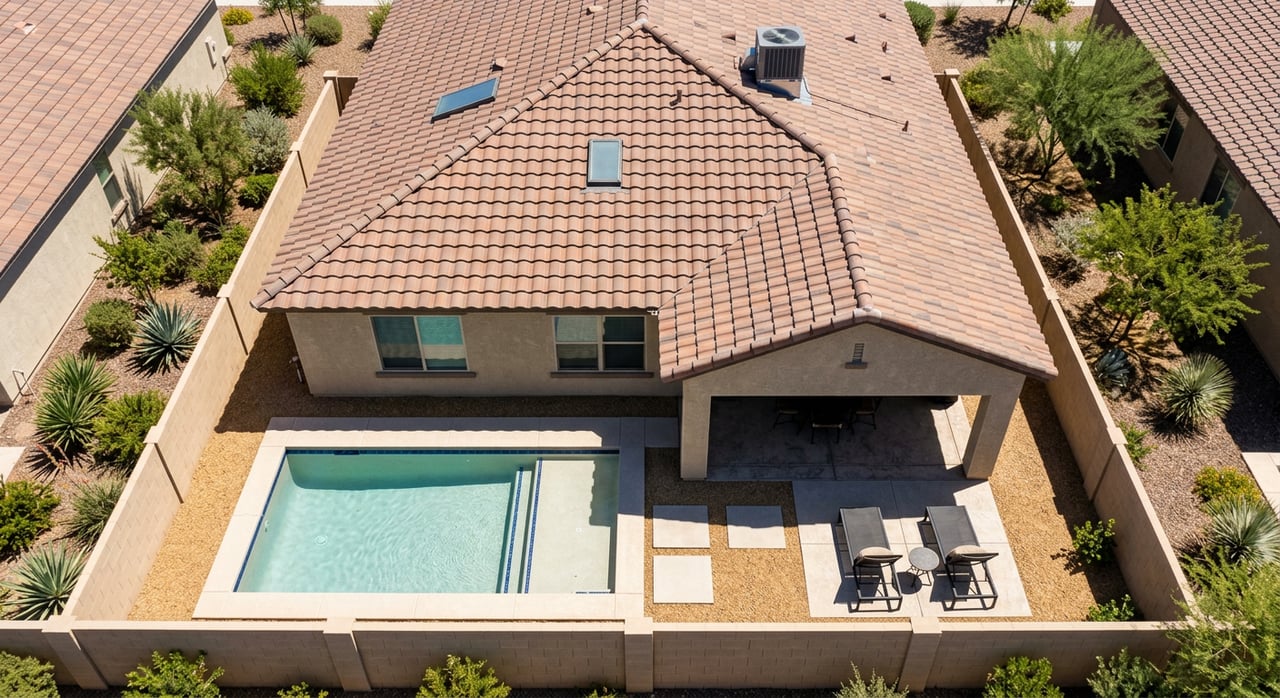
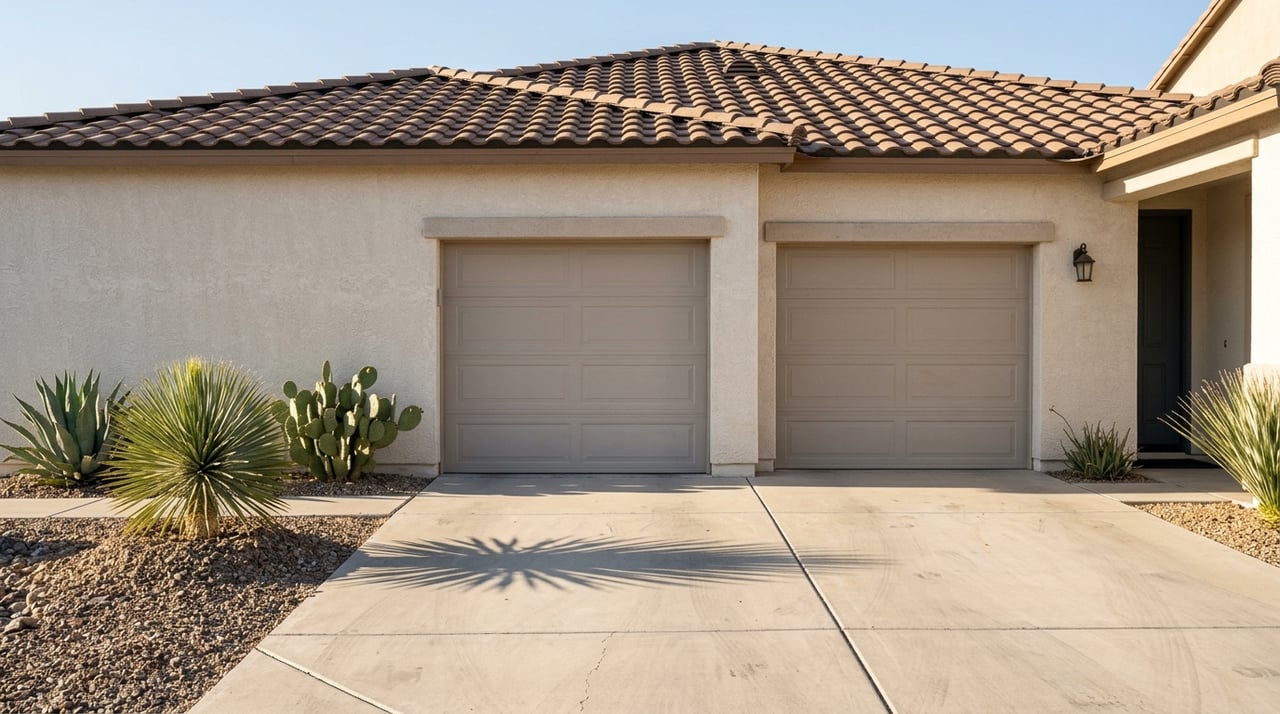
Centennial Hills offers a wide mix of single-family homes across one- and two-story floor plans, with pockets of townhomes and condos. You will find 1990s to 2010s tract homes alongside newer subdivisions near Town Center and within master-planned areas such as Providence and Skye Canyon. Lot sizes and upgrades vary, which is why price bands stretch more than the median might suggest.
- Entry and compact homes on smaller lots: low to mid $300,000s to $400,000s, depending on condition.
- Typical resales and newer spec homes: mid $400,000s to $600,000s.
- Larger lots, upgraded finishes, and gated pockets: $600,000 and up, with select properties above $1 million.
These ranges line up with the neighborhood medians and with broader snapshots that show higher averages in some grouped reports. Equity Title’s January 2026 average near $603,968 helps illustrate the upper bands that medians can mask.
Amenities and services nearby
Centennial Hills residents have straightforward access to public amenities, including the Centennial Hills Library at 6711 N. Buffalo Drive and the nearby park and amphitheater. You can browse upcoming events at the Centennial Hills Library. The YMCA-operated community center and Centennial Hills Hospital provide additional recreation and healthcare resources.
Schools and district notes
Homes in Centennial Hills are served by the Clark County School District. School assignments vary by address and grade level, so always confirm with the district when you are narrowing homes. Nearby campuses often referenced in listings include Betsy Rhodes Elementary, Ralph Cadwallader Middle, and Arbor View High School.
A simple, strong offer checklist
Use this quick list to position your offer well without giving up smart protections.
- Get pre-approved, not just pre-qualified. Share your lender letter and ask your lender for realistic appraisal and underwriting timelines, which often run 2 to 4 weeks for financed deals.
- Ask your agent for fresh 90-day comps. For well-priced homes, plan to write a comp-backed offer near list, since recent sale-to-list ratios hover close to 98% in neighborhood snapshots.
- Keep an inspection contingency. If you need to compete, consider a shorter inspection window. Ten days is a common local starting point. If you shorten it, have inspectors ready to go.
- Discuss appraisal risk before you offer. Some buyers increase earnest money or use appraisal gap language, but these choices carry risk and depend on lender rules and your comfort level.
- Consider new construction if you want incentives. Rate buydowns and closing-cost credits can offset payment shocks. Review the true net cost, lender requirements, and HOA fees before you decide.
- Focus on clean terms. Clear timelines, flexible closing dates, and minimal repair asks can help your offer rise to the top without sacrificing core protections.
For a step-by-step look at common Nevada timelines, including inspection periods and escrow length, review this local Las Vegas real estate transaction guide. Exact contract timing is negotiable and follows the Nevada purchase agreement you sign.
How long it takes to buy here
From first showing to keys in hand, many financed purchases close in about 30 days after you go under contract. A typical deal includes an inspection period of around 10 days, an appraisal scheduled within the first two weeks, and loan underwriting that runs 2 to 4 weeks. Cash purchases can close faster if title work and inspections are complete.
Remember that neighborhood metrics show two different speeds. Zillow’s 50-day median to pending means many listings accept an offer within several weeks, then spend another month in escrow. Redfin’s 70 to 80 day median days on market measures the full journey to closing.
Data notes and staying current
If you see slightly different numbers on various sites, check the source, the date, and the definition. Neighborhood boundaries, medians versus averages, and whether a stat measures days to pending or days to sale all change the picture. For valley context and months of inventory, look to the LVR regional summary. For neighborhood-level medians and days metrics, compare snapshots from sources like Redfin and Zillow, always noting the retrieval date.
When you are ready to tour or write, we can help you translate the latest stats into a winning plan for your price range and timeline. If you want a quick, no-pressure strategy call or a same-day list of active homes that match your needs, reach out to the Lopez Real Estate Group. Hablamos español.
FAQs
How competitive is the Centennial Hills market for buyers in 2026?
- Competition is moderate, with Redfin labeling the area somewhat competitive and median days metrics showing several weeks to secure an accepted offer, supported by a valley backdrop of more than four months of inventory per LVR in February 2026.
Do I need to waive contingencies to win a home in Centennial Hills?
- Not usually in today’s conditions; inspection, appraisal, and financing contingencies remain common in a market with roughly four months of supply, though a standout listing may still attract cleaner terms.
What should I expect to pay relative to list price in Centennial Hills?
- Plan for a near-list offer on well-priced homes, since recent sale-to-list ratios are around 98 percent; properties that need updates or have longer market times may allow price or credit negotiations.
How long do homes take to go under contract and close in Centennial Hills?
- Many homes go pending in about 50 days and close roughly 30 days after that for financed purchases, based on neighborhood days-to-pending snapshots and common escrow timelines.
Are there builder incentives near Centennial Hills that can lower my payment?
- Yes, many local builders use closing-cost credits, rate buydowns, and design incentives on quick move-in homes, often tied to their preferred lender programs.
What are typical price ranges for homes in Centennial Hills?
- Expect a wide range: roughly low to mid $300,000s for smaller entry homes, mid $400,000s to $600,000s for typical resales and newer spec homes, and $600,000-plus for larger or upgraded properties, with medians in the mid $400,000s depending on the snapshot date and source.